
Introduction
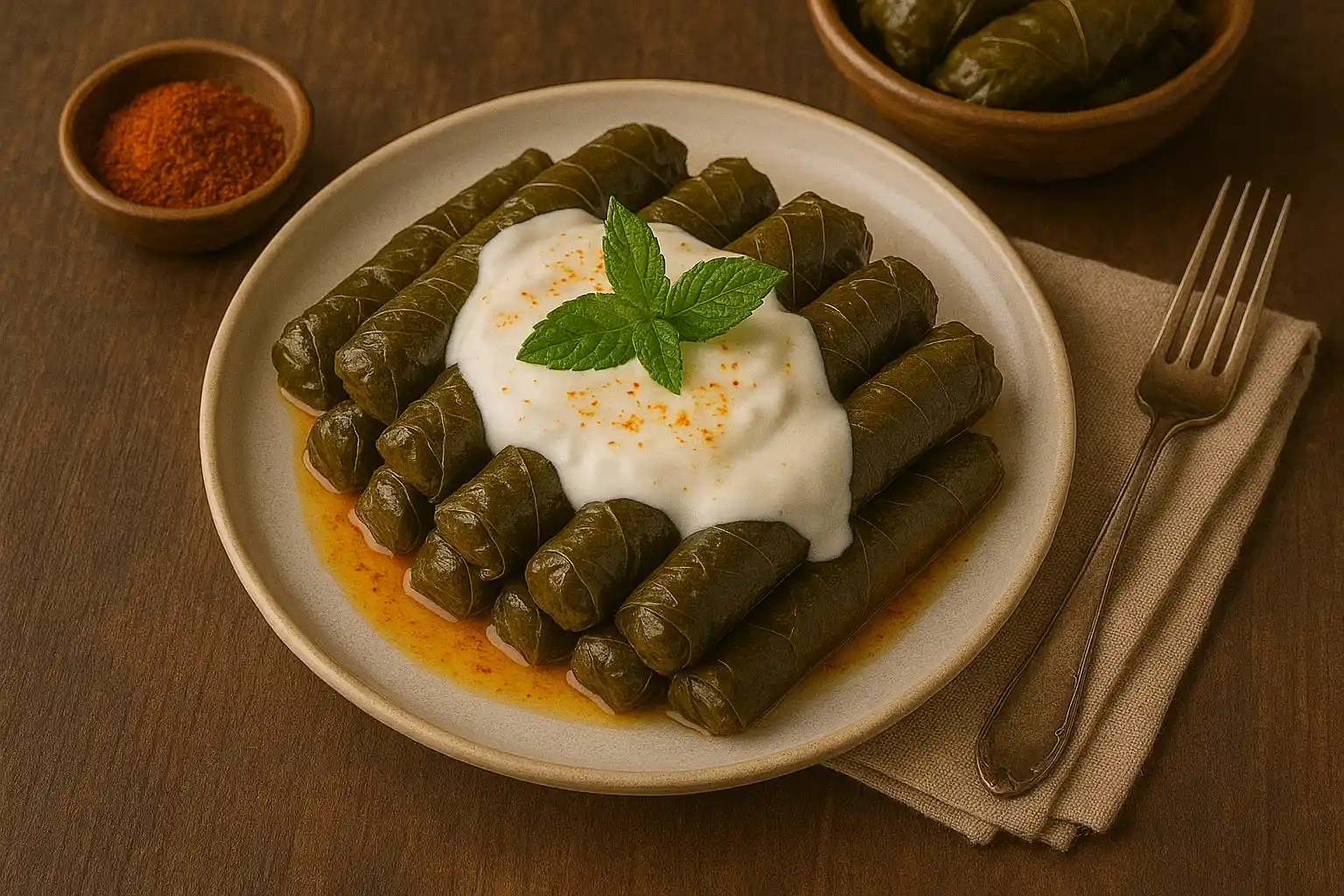
Turkish stuffed vegetables, known as Dolma, are among the most iconic dishes of Ottoman cuisine and remain a staple in Turkish households to this day. Turkish dolma differs from traditional Arabic stuffed dishes in its lighter filling made with rice, herbs, and gentle spices, enhanced with lemon juice and a delicate cooking sauce that creates perfect balance. The Turkish cooking method—often relying on vegetable oil and fresh lemon—makes dolma both healthy and deeply flavorful.
First: What Is Turkish Dolma?
The word dolma in Turkish means “stuffed,” and it refers to a wide variety of vegetables filled with a seasoned rice mixture. These include bell peppers, zucchini, grape leaves, eggplant, tomatoes, and even onions.
Dolma traces its roots back to Ottoman cuisine, where an array of stuffed dishes was prepared for palace banquets and elite gatherings. Over time, these recipes spread throughout Anatolia, the Balkans, and the Middle East, becoming a shared culinary heritage.
Second: Essential Ingredients for Turkish Dolma Filling
Main Filling Ingredients:
- 1 cup short-grain rice
- 1 onion, finely chopped
- 2 tomatoes, finely chopped
- 2 tablespoons tomato paste
- ½ cup chopped parsley
- ½ cup chopped dill (essential in the Turkish version)
- ¼ cup olive oil
- 1 teaspoon paprika
- ½ teaspoon dried mint
- ½ teaspoon black pepper
- Salt to taste
Vegetables for Stuffing:
- Green or mixed bell peppers
- Small zucchini
- Small eggplants
- Tomatoes
- Grape leaves (optional)
Third: Step-by-Step Preparation of Turkish Dolma
1) Preparing the Filling
In a deep bowl, mix the rice with onion, tomatoes, tomato paste, parsley, dill, olive oil, and spices.
The filling should remain uncooked, as the rice will finish cooking inside the vegetables during simmering.
2) Preparing the Vegetables
- Hollow out zucchini and eggplants carefully without piercing the ends.
- Remove the tops and seeds from the peppers.
- Scoop out the centers of the tomatoes, keeping the base intact.
- Grape leaves are prepared similarly to Arabic-style stuffed leaves but filled with a lighter Turkish mixture.
3) Stuffing the Vegetables
Fill each vegetable only up to three-quarters full, as the rice expands during cooking.
Arrange them snugly in a deep pot so they do not open while cooking.
4) Preparing the Cooking Sauce
Mix 1 tablespoon tomato paste with 2 cups hot water, 1 tablespoon olive oil, lemon juice, and a pinch of salt.
Pour the sauce over the dolma until it reaches about halfway up the pot.
5) Cooking the Turkish Way
Place a small heatproof plate over the stuffed vegetables to keep them intact.
Bring to a gentle boil, then reduce heat and simmer for 45–60 minutes until the rice and vegetables are fully cooked.
Fourth: Olive Oil–Based Dolma (Zeytinyağlı Dolma)
Turkey is especially famous for a version of dolma cooked exclusively with olive oil and served cold as a mezze.
This variation features a herb-forward filling with dill, mint, parsley, and often pine nuts and raisins. It is commonly served during Ramadan gatherings and special occasions.
Fifth: Turkish-Style Serving Method
Turkish dolma is typically served with:
- Plain yogurt or garlic yogurt sauce
- Lemon wedges
- Çoban salad (Turkish shepherd’s salad)
- Fresh Turkish bread
In restaurants, dolma is often presented in clay dishes that retain heat and enhance presentation.
Sixth: Golden Tips for Perfect Dolma
- Do not overfill the vegetables; rice expands during cooking.
- Dill is essential in the Turkish version—do not skip it.
- Use a light sauce; dolma should not be watery.
- Lemon juice is key to achieving authentic Turkish flavor.
- Let the dolma rest briefly after cooking so the flavors fully develop.
Conclusion
Turkish dolma (Dolma) beautifully combines simplicity with deep-rooted tradition and remains one of the most celebrated dishes of Turkey’s culinary heritage. Its balanced flavors of herbs, lemon, rice, and vegetables make it irresistibly comforting—whether served warm as a main dish or chilled as an olive-oil mezze. This timeless recipe continues to connect generations through taste, history, and shared tradition.