
Introduction
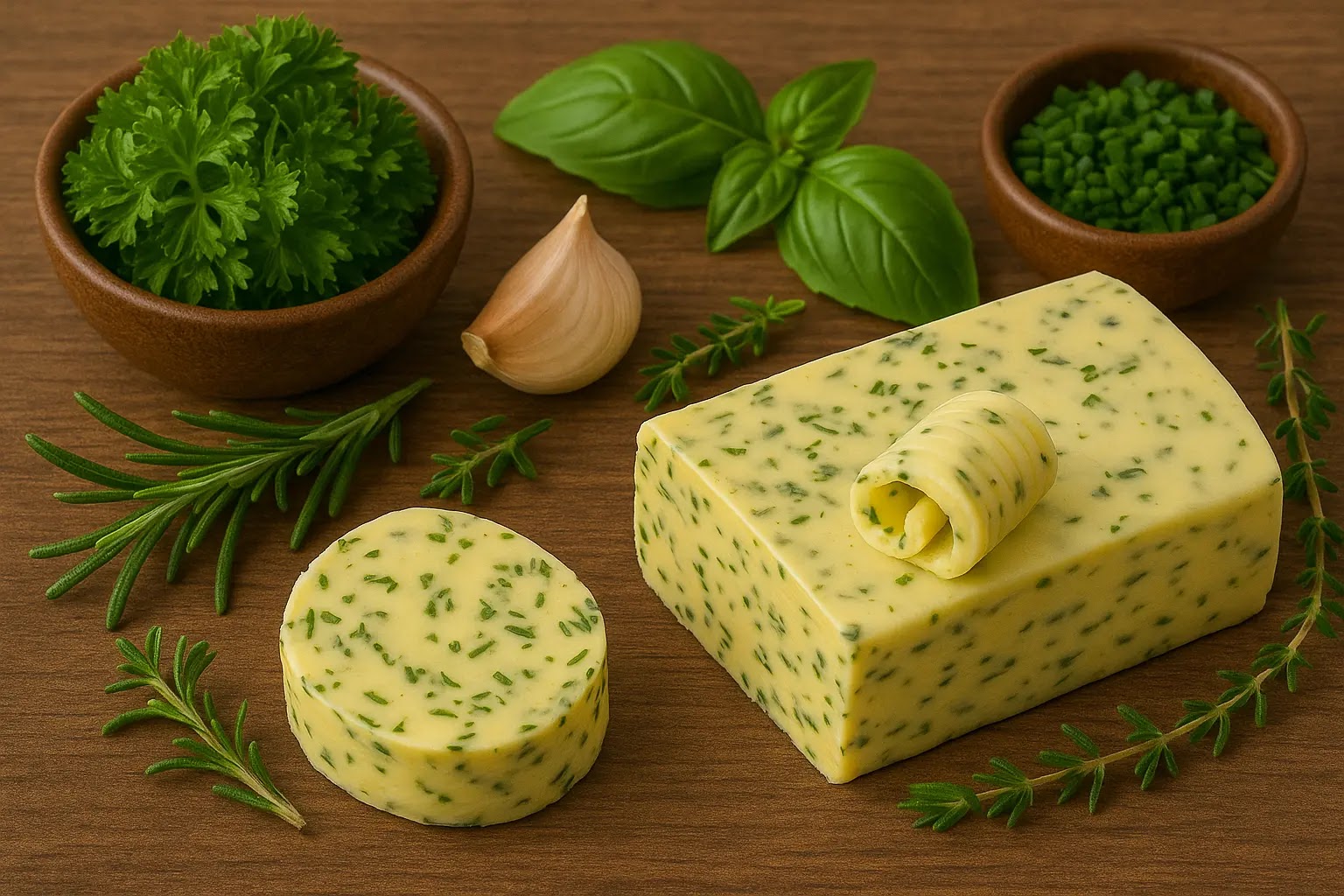
Many home cooks and chefs resort to artificial flavorings to enhance the taste of food, but in reality, they are not the best option for health or flavor quality. This is where aromatic herbs come into play, as they are among the oldest natural ways to enhance flavor. They add depth and balance to dishes while offering multiple health benefits. In this article, we take you on a quick journey into the world of aromatic herbs and how to use them to enhance flavors in your daily dishes in a simple and effective way.
Why Are Aromatic Herbs Important in Cooking?
Aromatic herbs provide pure, natural flavors and help eliminate the need for artificial additives that may negatively affect health over time. They also add a fresh, vibrant touch that makes food feel professionally prepared.
Benefits of using aromatic herbs:
- Enhancing flavor and balancing taste
- Supporting digestion
- Boosting the immune system
- Adding visual appeal when serving
- Reducing the need for salt and fats
Most Commonly Used Aromatic Herbs and How to Benefit from Them
1) Basil – The Italian Flavor Touch
Basil is commonly used in pasta, pizza, sauces, and salads.
Best way to use:
- Add it at the end of cooking to preserve its fresh flavor
- Pairs especially well with tomato-based dishes
2) Thyme – The Secret of Authentic Eastern Flavor
Thyme is one of the most popular herbs in Arabic cuisine.
How to use:
- Add to salads, chicken marinades, bread, and sautéed dishes
- Its flavor intensifies when added before or during cooking
3) Mint – Natural Freshness
Mint is essential in soups, drinks, and chicken dishes.
Usage tips:
- Use fresh leaves for salads and grilled dishes
- Best added just before serving
4) Rosemary – The Spirit of European Cuisine
Rosemary adds a unique woody flavor to chicken, meat, and potatoes.
Best method:
- Cook it with meats for a longer time to fully release its aromatic oils
5) Parsley – A Light Flavor and Garnishing Touch
One of the most frequently used herbs in daily cooking.
How to benefit from it:
- Add after cooking without exposing it to high heat
- Ideal for salads, freekeh, soups, and baked dishes
How to Choose the Right Herb for Each Dish
| Dish Type | Suitable Herbs |
|---|---|
| Chicken | Rosemary – Thyme – Parsley |
| Meat | Rosemary – Oregano – Green garlic |
| Fish | Dill – Parsley – Coriander |
| Pasta | Basil – Oregano |
| Salads | Mint – Basil – Parsley |
| Soups | Coriander – Parsley – Bay leaves |
Choosing the right herb depends not only on flavor but also on how well it complements the protein or vegetables used.
Proper Ways to Use Aromatic Herbs During Cooking
1) Pre-Marinating
Marinate chicken or meat with herbs such as thyme, rosemary, or parsley for at least 30 minutes to ensure flavor absorption.
2) Gradual Addition
Adding herbs in stages helps develop a deeper and more stable flavor.
3) Avoid Overcooking
Some herbs, such as basil and mint, lose their flavor when exposed to high heat, so add them in the last 5 minutes of cooking.
4) Fresh vs. Dried Herbs
- Fresh herbs: Light and refreshing flavor
- Dried herbs: Concentrated and strong flavor
Golden rule:
1 teaspoon of dried herbs ≈ 1 tablespoon of fresh herbs
Ways to Store Aromatic Herbs for Long-Term Use
To preserve herbs for as long as possible, try the following methods:
1) Freezing
Place chopped herbs in ice cube trays with a little oil.
Perfect for soups and baked dishes.
2) Drying
You can dry mint, thyme, sage, and others easily:
- Wash the leaves
- Place them in a dry, dark place
- Store them in an airtight glass jar
3) Preserving in Oil
A popular method for storing rosemary and thyme while maintaining their aroma.
Common Mistakes to Avoid When Using Herbs
- Adding herbs at the beginning of cooking despite their sensitivity to heat
- Mixing too many herbs in one dish, causing flavor clashes
- Using wilted or yellowed herbs
- Adding excessive amounts of dried herbs, resulting in unwanted bitterness
Conclusion
Using aromatic herbs in cooking is not just about improving flavor—it is a healthy and natural approach that enhances dish quality and brings food closer to the authentic taste everyone loves. With some knowledge and practice, you can transform any simple daily meal into a flavorful dish filled with delightful aromas. Make herbs an essential part of your kitchen, and you will notice the difference in both taste and health.