Introduction
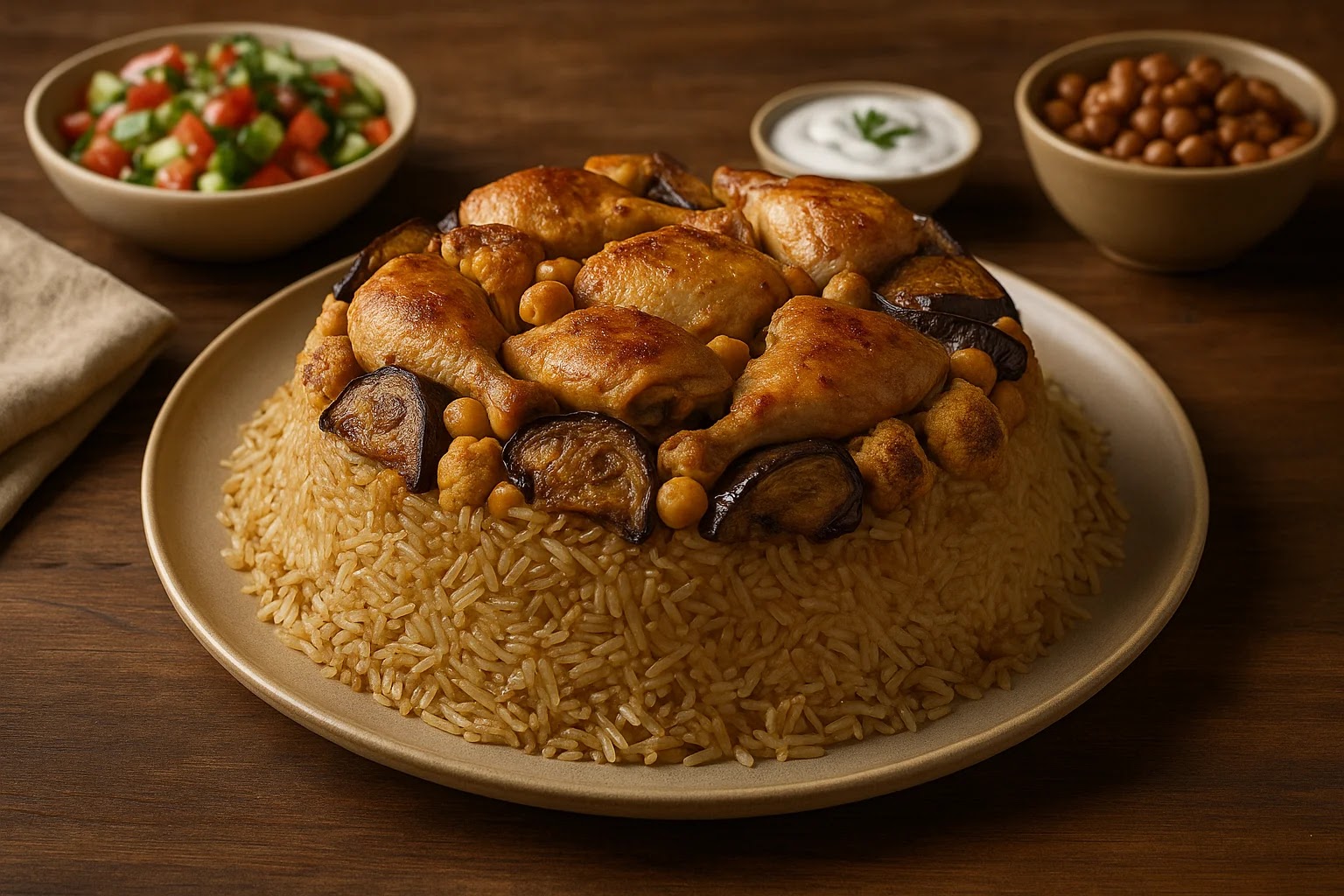
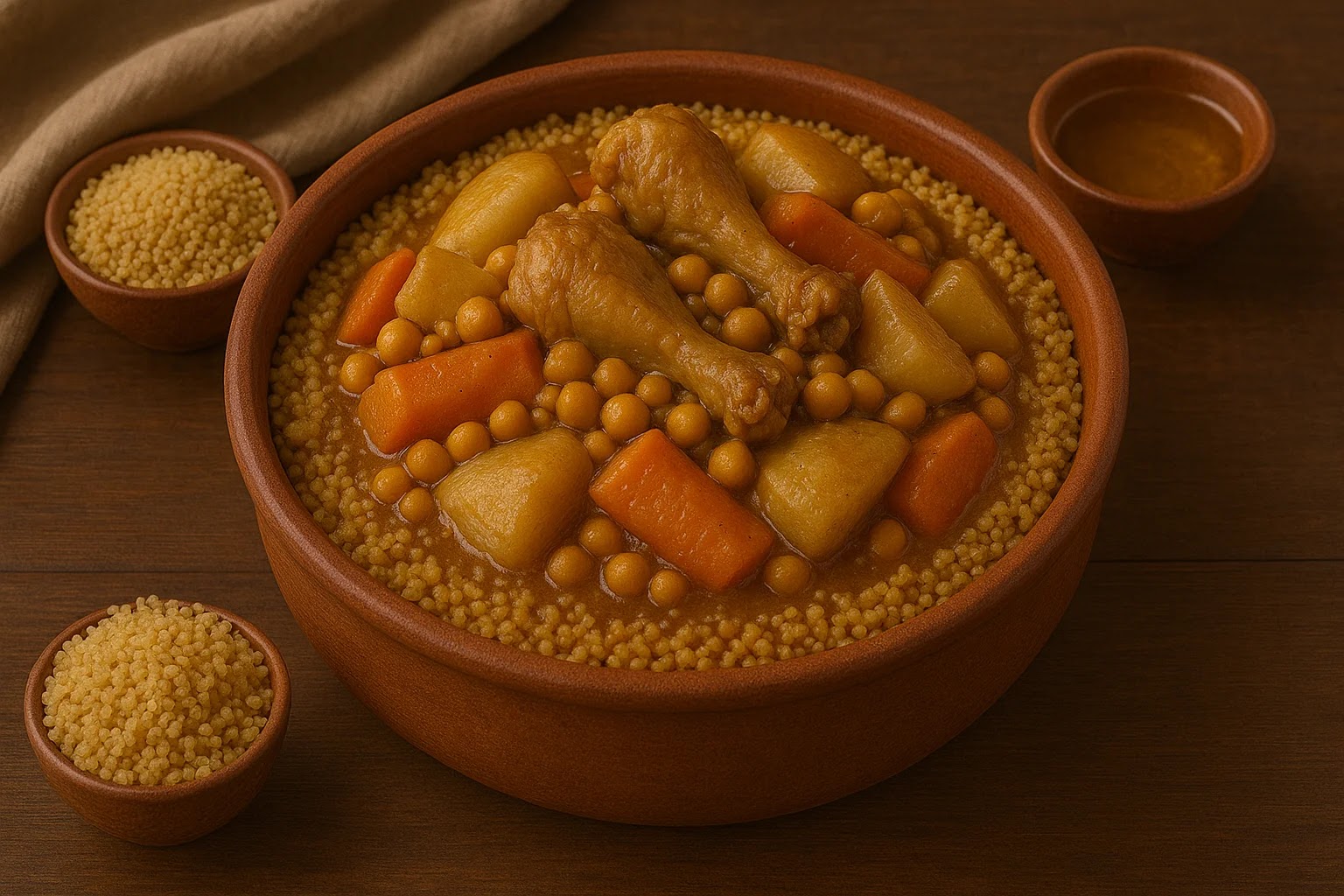
Palestinian Maftoul is one of the most ancient traditional dishes that has maintained its place over time in every Palestinian home.
It is prepared using a traditional method that involves hand-rolling wheat grains, making it a luxurious dish that truly reflects the authenticity of Palestinian cuisine and the depth of its roots.
Maftoul is usually served at feasts and large gatherings and often takes center stage on Fridays and social occasions, bringing family members together around a warm dish that combines wheat, rich broth, vegetables, chickpeas, and chicken or meat.
What Is Maftoul and Why Is It Considered a Traditional Dish?
1) Traditional Hand-Rolling Method
Maftoul grains are prepared by hand-rolling flour and bulgur over a large sieve, a process that requires skill and patience and gives Maftoul its unique texture.
2) Authentic Flavor Unlike Any Other Dish
Maftoul absorbs the broth and spices in a distinctive way, making every bite rich with authentic Arabic flavor.
3) A Dish for Family and Celebrations
Maftoul is commonly prepared for:
- Friday feasts
- Weddings
- Large family gatherings
- National occasions
It has become a symbol of Palestinian generosity and togetherness.
4) Variety of Serving Styles
Maftoul can be served with:
- Chicken
- Meat
- Vegetables
- Chickpeas
- Even in lighter vegetarian versions
Authentic Palestinian Maftoul Ingredients
1) Maftoul Grains (Ready-Made or Handmade)
- Bulgur
- Wheat flour
- Olive oil or ghee during rolling
2) Chicken or Meat Broth
- 1 whole chicken or lamb meat
- Onion
- Garlic
- Bay leaves
- Cinnamon
- Cardamom
- Black pepper
- Salt
3) Commonly Used Vegetables
- Onion
- Zucchini
- Potatoes
- Pumpkin
- Carrots
- Boiled chickpeas
4) Spices
- Maftoul spice mix (cinnamon + cumin + black pepper)
- Turmeric
- Paprika
- A pinch of mixed spices
Step-by-Step Preparation of Palestinian Maftoul
1) Preparing the Maftoul Grains
If using ready-made Maftoul, sift it and sprinkle with a little water to soften.
If preparing it by hand:
- Mix bulgur and flour on a sieve.
- Sprinkle drops of water and rub with fingers until small grains form.
- Repeat until reaching the traditional Maftoul texture.
- Steam lightly to prepare it for cooking.
2) Preparing the Chicken or Meat Broth
- Boil chicken or meat with onion, garlic, and spices.
- Cook until fully done and a rich broth forms.
- Strain and reserve the broth for cooking the Maftoul.
3) Steaming the Maftoul
- Place Maftoul in a perforated pot over boiling broth.
- Cover well so the grains absorb the steam.
- Repeat the steaming process 2–3 times, sprinkling olive oil or ghee between each round.
This step is the secret to Maftoul’s soft, fluffy texture.
4) Cooking the Vegetables and Chickpeas
- Boil vegetables and chickpeas in part of the broth with a little seasoning.
- Cook until tender yet firm.
5) Preparing the Red Maftoul Sauce
Mix:
- Chicken broth
- Tomato juice or tomato paste
- Paprika
- Turmeric
- Garlic
- Salt
- A little oil or ghee
Let the mixture boil until it becomes a rich, flavorful sauce.
6) Serving
- Place the Maftoul in a large serving platter.
- Arrange chicken or meat on top.
- Add vegetables and chickpeas.
- Pour the red sauce over the dish or serve it on the side.
Secrets for Perfect Palestinian Maftoul
- Well-rolled, even grains result in better texture and appearance.
- Steaming is the key to fluffy and tender Maftoul.
- Rich, well-seasoned broth is essential for deep flavor.
- Use fresh vegetables for balanced taste and attractive presentation.
- Serve hot, as Maftoul loses some of its quality when cold.
Nutritional Value of Palestinian Maftoul
1) High Energy from Wheat and Bulgur
Ideal for winter meals and large gatherings.
2) Protein from Chicken or Meat
Supports growth and overall health.
3) High Dietary Fiber
From bulgur, vegetables, and chickpeas.
4) Variety of Vitamins and Minerals
Provided by the vegetables used.
5) Healthy Fats When Using Olive Oil
Makes the dish balanced and nutritious.
Conclusion
Palestinian Maftoul is not just a dish, but a complete heritage celebration that brings families together around one table and embodies the authenticity of Palestinian cuisine.
With its special cooking method and deep flavor, Maftoul remains one of the most important dishes served at large gatherings, representing Palestinian history and generosity.
By following the precise steps, you can prepare a delicious, flavorful Maftoul that rivals the best dishes served in traditional Palestinian guest houses.