Introduction
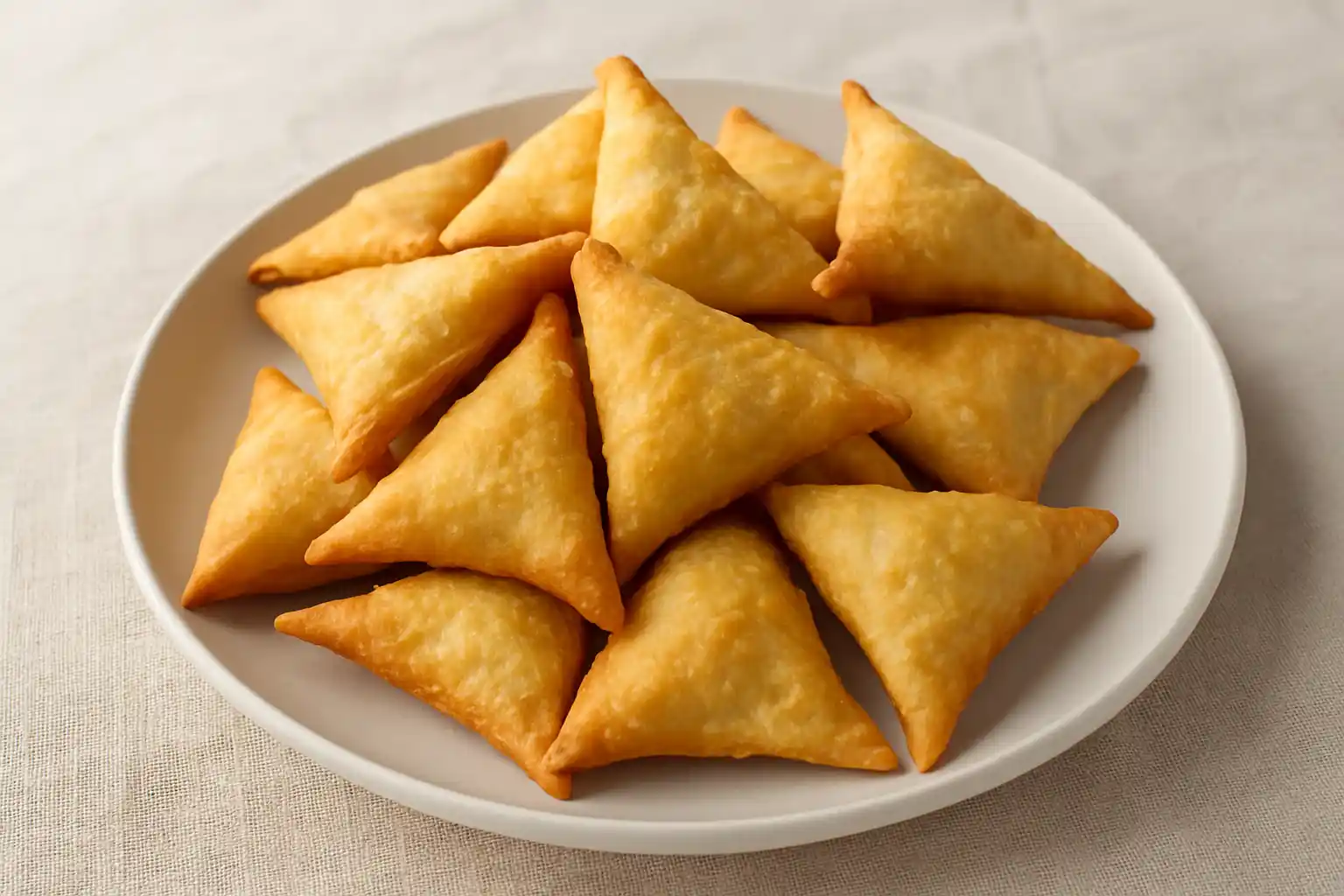
Qassim Sambosa is one of the most famous traditional recipes in Saudi cuisine, especially during the holy month of Ramadan, where it takes a central place on the daily iftar table. What makes this type of sambosa truly special is not only its delicious flavor, but also the carefully prepared homemade dough that women of the Qassim region have mastered and passed down through generations.
The thin, ultra-crispy dough, rich fillings, and precise frying technique all come together to create an irresistible dish that reflects the authenticity of Najdi cuisine and the spirit of Saudi hospitality.
First: Qassim Sambosa Dough – The Secret Behind Golden Crispiness
While the filling gives sambosa its flavor, the dough is what defines the quality of the dish.
Qassim-style sambosa dough relies on very simple ingredients, yet requires skill in kneading and rolling to achieve a thin but sturdy texture.
Basic dough ingredients:
- All-purpose flour
- Lukewarm water
- Salt
- Vegetable oil
- Cornstarch (for rolling)
The dough is kneaded until soft and smooth, then left to rest for at least 30 minutes to make rolling easier. It is divided into small balls and rolled using cornstarch instead of flour — a key Qassim kitchen secret that prevents oil absorption during frying and results in the signature crisp texture.
The thinner and more translucent the dough, the crispier and lighter the sambosa — a technique Qassim women are especially known for.
Second: Qassim Sambosa Fillings – Variety for Every Taste
Qassim sambosa is famous for its wide range of fillings, combining classic and modern flavors.
1) Minced Meat Filling – The Most Popular
Made from:
- Minced lamb
- Onion
- Parsley
- Cumin
- Coriander
- Black pepper and salt
This filling is cooked until completely dry to avoid softening the dough.
2) White Cheese Filling
A light and popular option, especially among children.
White cheese is mixed with dill or mint for a fresh taste.
3) Spicy Potato Filling
One of the most traditional local fillings in Qassim.
Mashed potatoes are mixed with hot chili and Saudi spices, giving the sambosa a strong heritage flavor.
4) Chicken Curry Filling
A modern variation that has become very popular.
Chicken is cooked with curry and onions, then mixed with parsley for a rich aroma.
Third: The Art of Folding Qassim Sambosa
Proper folding is a key part of this recipe’s identity.
The dough is rolled into long strips, filled at one end, and folded into neat triangles.
Although the triangular shape is the most common, some households prefer rectangular or finger-shaped sambosa.
A simple flour-and-water paste is used to seal the edges and prevent opening during frying.
Fourth: Frying – The Crispiness That Defines Qassim Sambosa
The true secret lies in oil temperature:
- Oil must be deep and very hot
- Sambosa should not be overcrowded
- Fried until light golden-brown
High heat prevents oil absorption and preserves crispiness, while slow frying results in greasy sambosa.
Although baking is an option for a lighter version, traditional Qassim sambosa is always fried — no compromise.
Fifth: Serving Traditions in Qassim
On Saudi tables, especially during Ramadan, sambosa is served with:
- Lentil soup
- Oat soup
- Spicy red sauce
- Yogurt
Sambosa is a daily Ramadan staple, prepared in large quantities and shared with guests and neighbors as part of Saudi hospitality traditions.
Sixth: Nutritional Value in Moderation
Although sambosa is fried, it can be balanced when filled with:
- Chicken
- Potatoes
- Vegetables
- Light cheese
It provides energy from carbohydrates, healthy fats, and protein from the fillings.
Conclusion: A Beloved Saudi Dish on Every Table
Qassim Sambosa is more than a recipe — it is a symbol of Saudi culinary heritage passed down through generations. Its crispy texture, flavorful fillings, and traditional preparation make it one of the most beloved dishes in the Kingdom.
No matter how many modern versions appear, Qassim sambosa remains a timeless representation of authentic homemade flavor and the culinary skill of Saudi households.