
Introduction
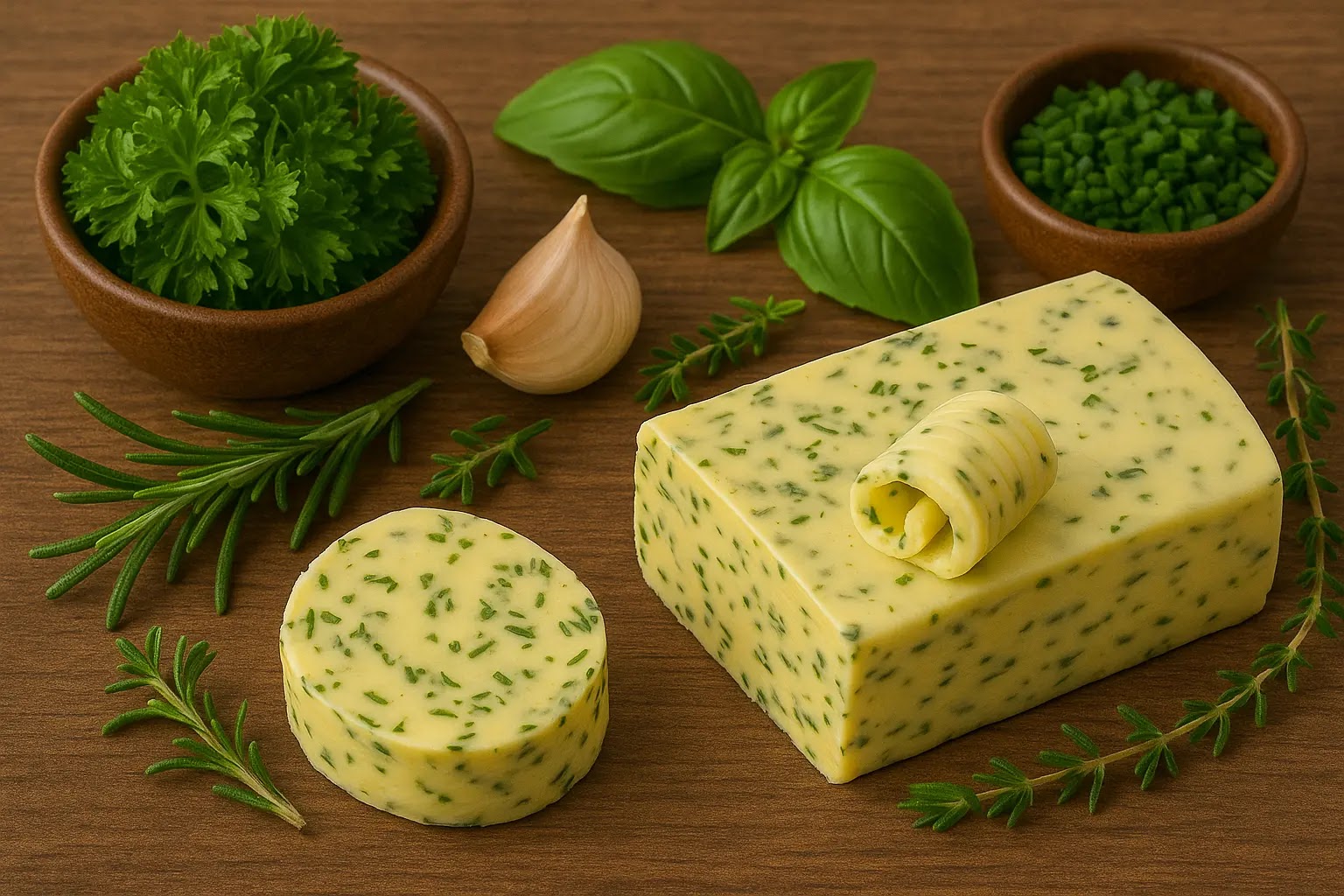
Basil is one of the most important aromatic herbs used in both Arabic and international cuisines. It is known for its distinctive flavor that blends mild sweetness with herbal freshness and a pleasant aroma. Basil comes in several varieties such as sweet basil, purple basil, and Thai basil, each offering a unique touch that enhances different dishes.
Beyond being a simple flavoring herb, basil is a key ingredient capable of transforming a basic dish into a vibrant, flavorful meal that combines taste with health benefits.
In this article, we explore the benefits of using basil in cooking, how it adds a refreshing touch to Arabic and international dishes, and the best ways to use it for balanced and distinctive flavor.
First: What Makes Basil a Unique Culinary Herb?
1) Refreshing and Distinctive Flavor
Basil has a smooth taste with gentle sweetness and strong aromatic notes, making it ideal for elevating the flavor of many recipes.
2) Rich Aroma That Stimulates Appetite
The aroma of fresh basil is one of the most appetite-stimulating scents, which is why it is widely used in appetizers and sauces.
3) Suitable for a Wide Range of Dishes
From Italian sauces to Arabic dishes, salads, soups, pasta, and even meat and chicken recipes.
4) Pairs Well with Many Ingredients
Basil blends beautifully with tomatoes, garlic, lemon, cheese, and aromatic oils.
Second: Health Benefits of Basil
1) Rich in Antioxidants
Basil contains powerful compounds such as flavonoids that protect the body from free radicals, supporting cell health and slowing signs of aging.
2) Supports Digestive Health
It helps improve digestion and soothe the stomach, making it especially beneficial after heavy meals.
3) Promotes Heart Health
Thanks to its content of vitamin K and magnesium, basil helps improve blood circulation and regulate blood pressure.
4) Boosts Immunity
Basil has antibacterial and anti-inflammatory properties, supporting the body’s immune system.
5) Reduces Stress and Improves Mood
Its aromatic scent helps calm the nerves and enhance mood, and it is used in some cultures as a natural relaxation remedy.
Third: How Basil Adds a Fresh Touch to Dishes
1) Enhancing Sauces
One of the best examples is Italian pesto sauce, which relies heavily on basil to deliver rich and refreshing flavor.
2) Enhancing Tomato-Based Dishes
Tomatoes and basil are a perfect pairing, especially in red sauces and salads like Caprese.
3) Adding Freshness to Salads
Basil reduces bitterness and boosts freshness, particularly in green salads or those with feta or mozzarella cheese.
4) Light Touch in Meat and Chicken Dishes
Adding chopped basil at the final stage of cooking makes dishes lighter and more balanced.
5) Used in Drinks and Beverages
Fresh basil leaves can be added to drinks like lemon juice with mint to enhance flavor.
Fourth: Ways to Use Basil in Cooking
1) Fresh Basil
Best added at the end of cooking to preserve its flavor and aroma.
2) Dried Basil
Used in meat marinades and sauces that require longer cooking times.
3) Basil Oil
Prepared by infusing basil leaves in olive oil and used as a finishing touch.
4) Pesto Sauce
A blend of basil, garlic, pine nuts, olive oil, and Parmesan cheese.
5) Chopped Basil
Ideal for sauces and dishes that require even distribution.
Fifth: Dishes That Shine with Basil
1) Italian Pasta
Especially pesto pasta or tomato-basil pasta.
2) Chicken Dishes
Such as grilled chicken with lemon and basil.
3) Pizza
Margherita pizza relies on basil as a core ingredient.
4) Soups
Like tomato basil soup.
5) Arabic and International Salads
Used to enhance flavor and add a refreshing aroma.
Conclusion
Basil is far more than a simple herb—it is a powerful ingredient that brings freshness, aroma, and health benefits to countless dishes. Whether used fresh, dried, or infused in oil, basil adds balance and character that elevate both Arabic and global cuisine.