Introduction
Masala is one of the most famous secrets of Indian cuisine and one of the most widely used spice blends around the world. It is the magical mix that gives Indian dishes their bold taste and distinctive aroma that awakens the senses. The word Masala in Hindi simply means “a blend of spices,” but in reality, it is a complex and well-balanced mixture that combines spicy, aromatic, and earthy flavors to create an unforgettable taste experience. In this article, we uncover how the famous masala blend is made, the secret behind its strength, and why it holds such an important place in Indian cooking.
First: What Is Masala?
Masala is a spice blend used in cooking a wide variety of Indian dishes, and its composition may vary from one region of India to another.
The most popular types of masala include:
- Garam Masala
- Tandoori Masala
- Chaat Masala
- Curry Masala
Each type has a distinct flavor and is used for specific recipes.
Second: What Are the Traditional Ingredients of Masala?
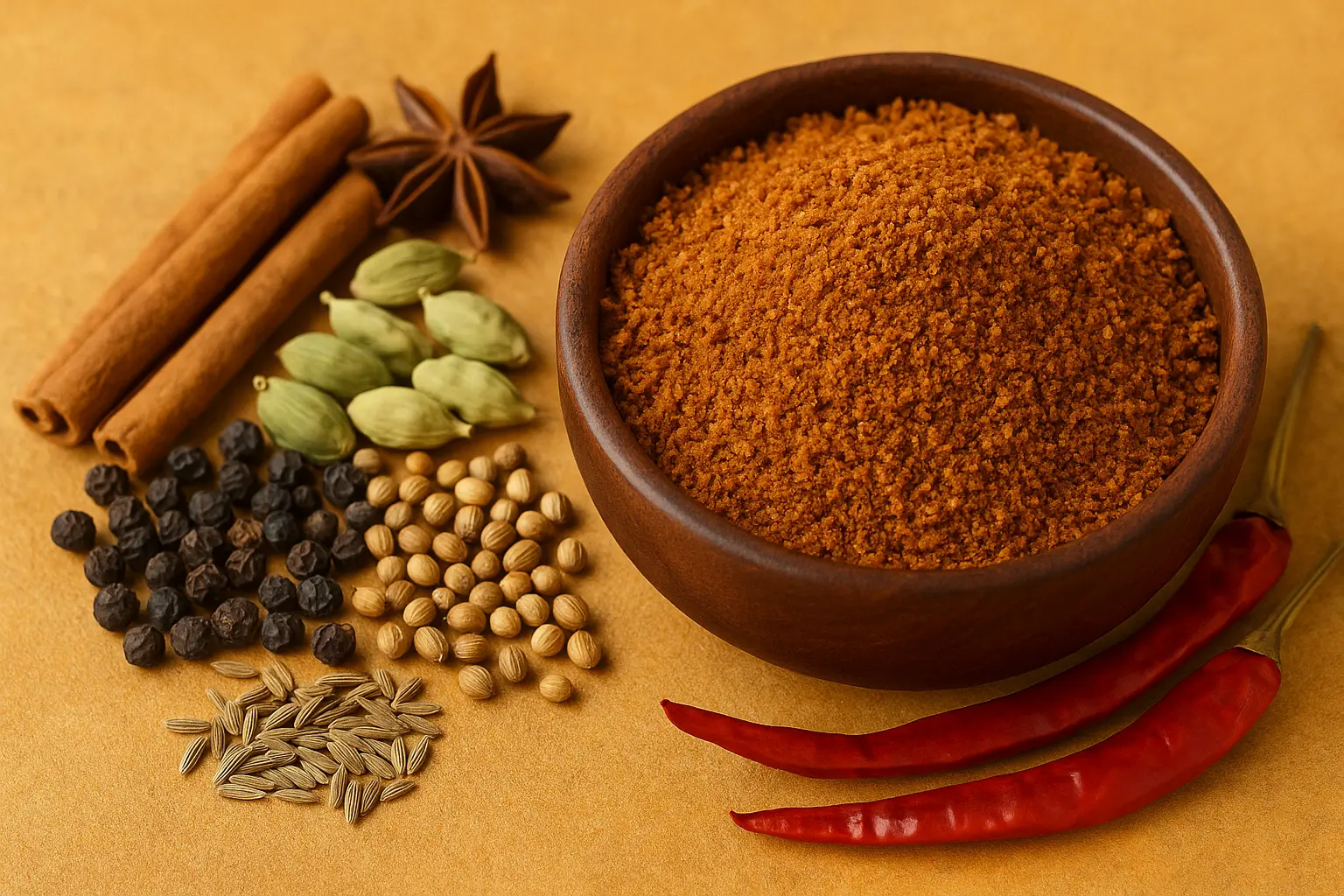
1) Cumin
The main ingredient that provides a warm, earthy flavor.
2) Dried Coriander
Adds a mild citrusy note that balances the heat of other spices.
3) Cardamom
A strong aromatic spice that gives the blend a luxurious touch.
4) Cloves
Add depth and a distinctive spicy flavor.
5) Cinnamon
Gives the blend a warm, slightly sweet aroma.
6) Black Pepper
Provides natural heat and enhances the overall flavor.
7) Nutmeg
Used in very small amounts to add a rich aroma.
8) Bay Leaves
Contribute a subtle earthy flavor.
9) Turmeric
Gives the blend its beautiful yellow color.
10) Dried Ginger
Boosts the heat and adds a strong flavor.
11) Chili or Red Hot Pepper
Adds intense heat, especially in tandoori masala and curry masala.
These spices are usually lightly roasted to release their aromatic oils before grinding.
Third: How Is Indian Masala Made at Home?
1) Roasting (The Most Important Step)
Whole spices are dry-roasted over low heat without oil.
Roasting helps to:
- Release aromatic oils
- Intensify flavor
- Improve the final taste
This is the first secret behind the strength of masala.
2) Grinding
After roasting, the spices are allowed to cool, then ground in a strong grinder until they become a fine powder.
3) Mixing with Additional Ground Spices
Such as:
- Turmeric
- Dried ginger
- Chili powder
These are usually added without roasting.
4) Storage
The masala blend is stored in an airtight container for one to three months to preserve its strength and aroma.
Fourth: The Secret Behind the Strong Flavor of Indian Masala
1) Balance Between Spicy and Aromatic Flavors
The blend combines:
- The heat of black pepper and chili
- The sweetness of cinnamon
- The fragrant aroma of cardamom
- The depth of cloves
This harmony creates a flavor that is difficult to replicate.
2) Roasting Before Grinding
This step doubles the intensity of flavor and aroma.
3) Using Fresh, Whole Spices
Indian cuisine relies heavily on whole spices to ensure maximum flavor when ground.
4) Precise Ratios
Masala is not a random mixture; it uses carefully measured proportions so no spice overpowers another.
5) Natural Essential Oils
Most Indian spices are rich in natural oils that react during cooking and release powerful aromas.
Fifth: Where Is Masala Used in Indian Cooking?
1) Curry Dishes
Whether made with chicken, vegetables, or fish.
2) Tandoori Chicken
Relies on tandoori masala to achieve its red color and smoky flavor.
3) Indian Lentils (Dal)
Garam masala is often added at the final stage for extra aroma.
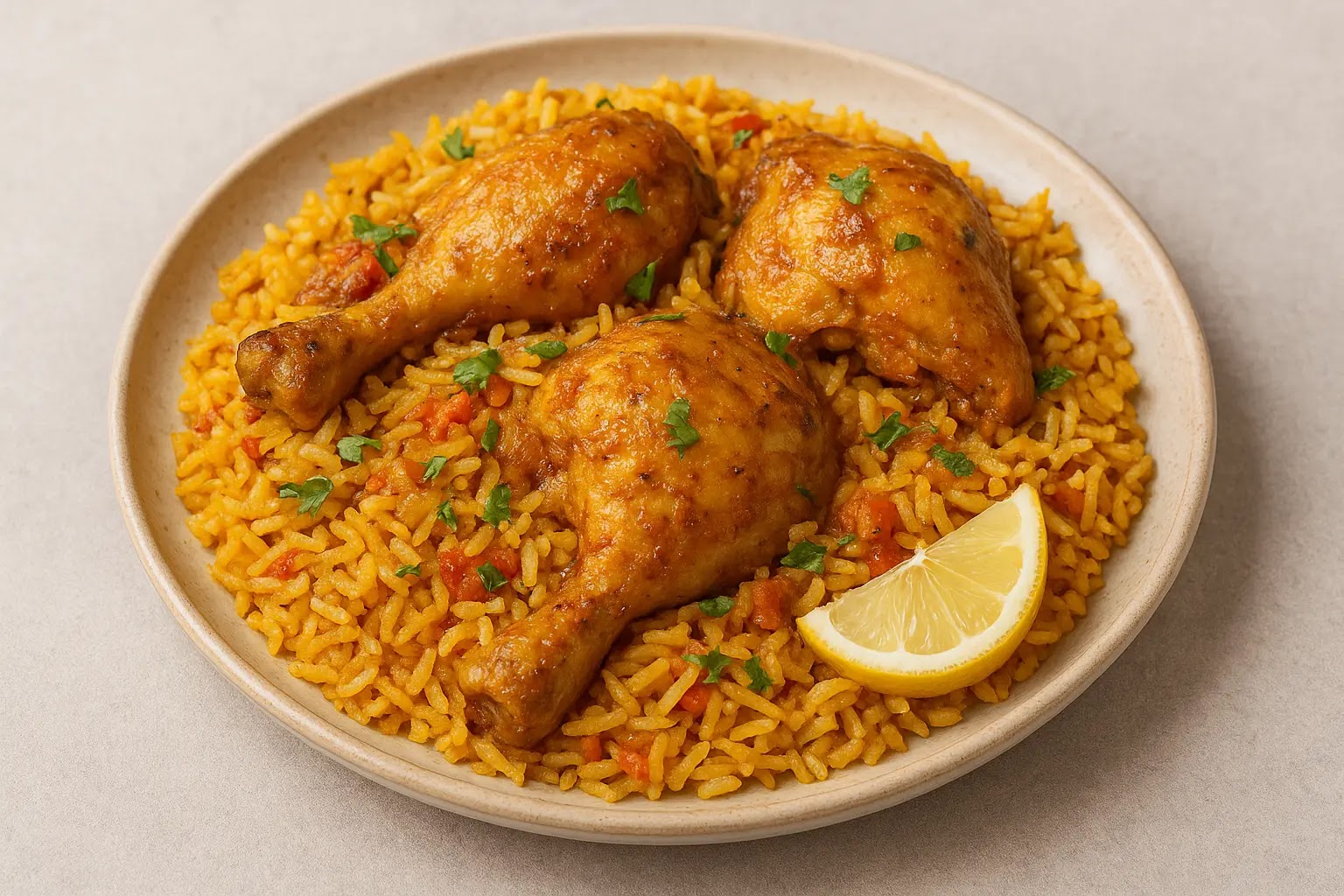
4) Indian Rice Dishes
Especially biryani and chicken masala.
5) Spicy and Creamy Sauces
Such as butter masala sauce.
6) Appetizers
Like vegetable samosas and pakoras.
Sixth: Health Benefits of Masala
Masala is not only about strong flavor; it also offers several health benefits due to its natural ingredients:
- Anti-inflammatory properties thanks to turmeric
- Improves digestion due to cumin and coriander
- Rich in antioxidants
- Boosts immunity
- Increases body warmth and energy
Seventh: Tips for Using Masala in Cooking
- Do not use large amounts, as the flavor is very strong.
- Add masala early in cooking for deeper flavor.
- For a final aromatic touch, add garam masala in the last minute.
- Store masala in an airtight container away from moisture.
Conclusion
Masala is not just a spice blend; it is the soul of Indian cuisine and the key to the bold flavors for which India is famous worldwide. The roasting of spices, the balance of ingredients, and the use of fresh spices are the secrets that give masala its unique strength and aroma. When used correctly, masala can transform any simple dish into a rich, aromatic Indian meal with an authentic Eastern character.