Introduction
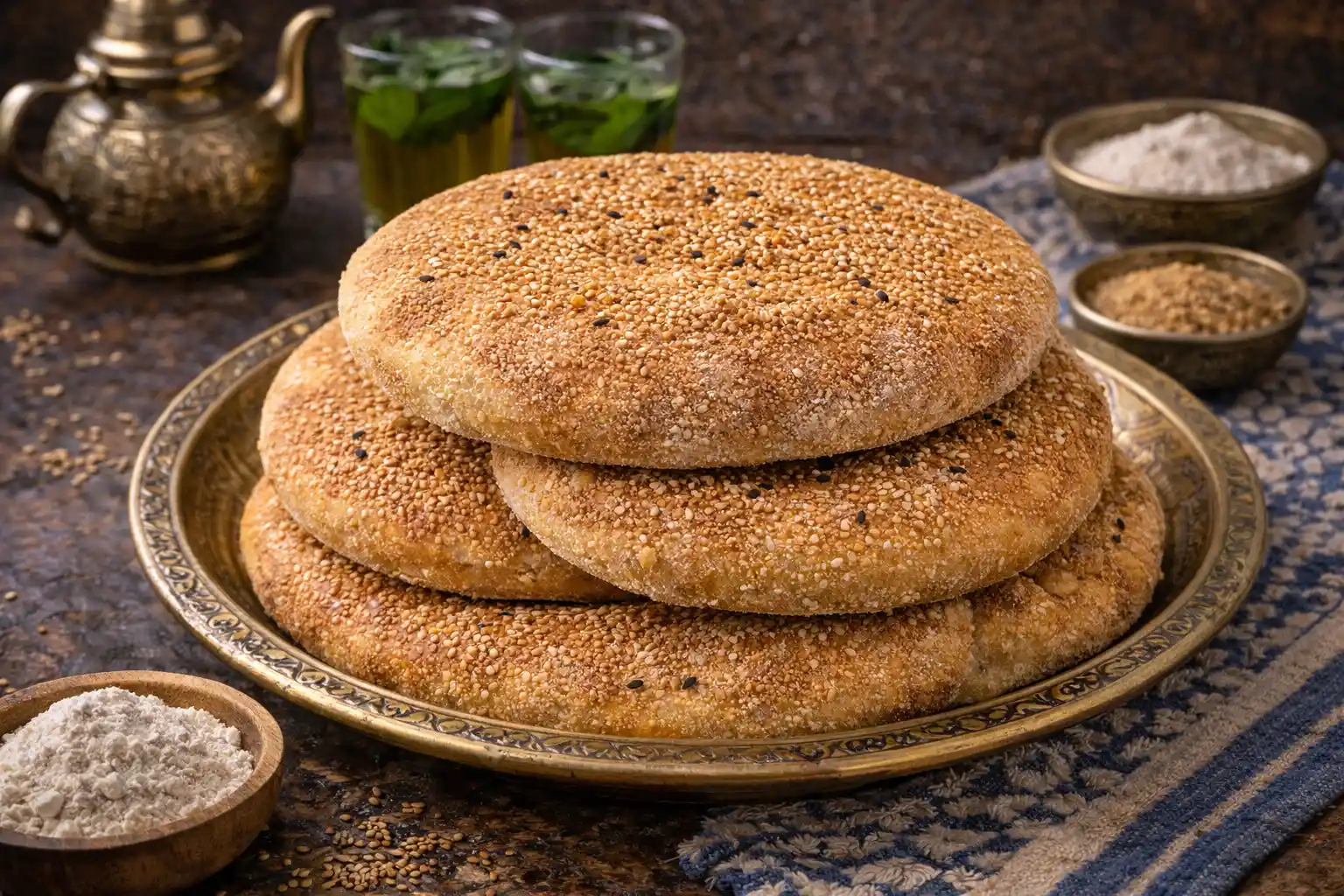
Moroccan traditional bread, commonly known as Khobz, is a cornerstone of Moroccan cuisine and daily life. Unlike bread in many cultures, Moroccan bread is not merely a side item—it is an essential part of every meal and a symbol of nourishment, sharing, and hospitality. In Moroccan households, bread often replaces utensils, serving as both food and tool for enjoying meals.
Prepared daily in many homes and bakeries, Moroccan bread reflects simplicity, tradition, and deep cultural meaning. In this article, we explore the importance of bread in Moroccan culture, its different types, ingredients, traditional preparation methods, baking techniques, nutritional value, and why it continues to hold a special place on Moroccan tables.
The Cultural Importance of Bread in Morocco
Bread holds a sacred and symbolic status in Moroccan society. It is associated with blessings, sustenance, and respect. Wasting bread is strongly discouraged, as it is viewed as a gift that must be honored.
Moroccan bread is present at every meal—breakfast, lunch, and dinner—and accompanies dishes such as tagines, couscous, salads, and soups. Preparing bread at home is a tradition passed down through generations, especially in rural areas where communal ovens are still widely used.
Types of Moroccan Traditional Bread
Moroccan cuisine offers a wide variety of traditional breads, each suited to specific dishes and occasions:
- White Khobz (Dar Bread): Soft inside with a lightly crisp crust
- Semolina Bread: Slightly denser with a rich flavor
- Barley Bread: Nutritious and rustic, common in rural regions
- Whole Wheat Bread: Healthier and more filling
- Oven-Baked Communal Bread: Baked in traditional neighborhood ovens
Each type reflects local ingredients and regional preferences.
Basic Ingredients of Moroccan Bread
Core Ingredients:
- Flour or semolina (or a mix of both)
- Warm water
- Yeast
- Salt
Optional Additions:
- Olive oil
- Sesame seeds
- Nigella seeds
- Barley or whole wheat flour
The simplicity of ingredients highlights the importance of technique and timing.
Traditional Homemade Bread Preparation
1. Mixing the Dough
Flour, yeast, and salt are combined, and warm water is added gradually. The dough is kneaded until smooth and elastic. Proper kneading is essential for developing gluten, which gives Moroccan bread its structure.
2. Fermentation
The dough is left to rise in a warm place until it doubles in size. This fermentation process enhances flavor and texture.
3. Shaping the Loaves
The dough is divided into portions, shaped into round flat loaves, and lightly dusted with flour or semolina.
4. Second Rest
Before baking, the shaped loaves rest briefly to relax the dough and improve oven spring.
Baking Techniques for Moroccan Bread
Home Oven Baking
In modern kitchens, Moroccan bread is baked in conventional ovens at high temperatures. This method produces a crisp exterior and soft interior.
Pan Baking
Some households bake bread on a heavy pan or griddle, flipping it during cooking. This method is especially common in rural homes.
Communal Oven Baking
One of the most authentic methods involves baking bread in communal neighborhood ovens. Families bring their prepared dough to be baked, creating a strong sense of community and shared tradition.
The Role of Communal Ovens
Communal ovens play a vital role in Moroccan food culture. They:
- Provide consistent heat
- Allow large batches of bread
- Strengthen social bonds
- Preserve traditional baking methods
Even today, many Moroccan neighborhoods maintain communal ovens as cultural landmarks.
Why Moroccan Bread Is Essential at the Table
Moroccan bread is used to:
- Scoop tagine sauces
- Accompany salads and spreads
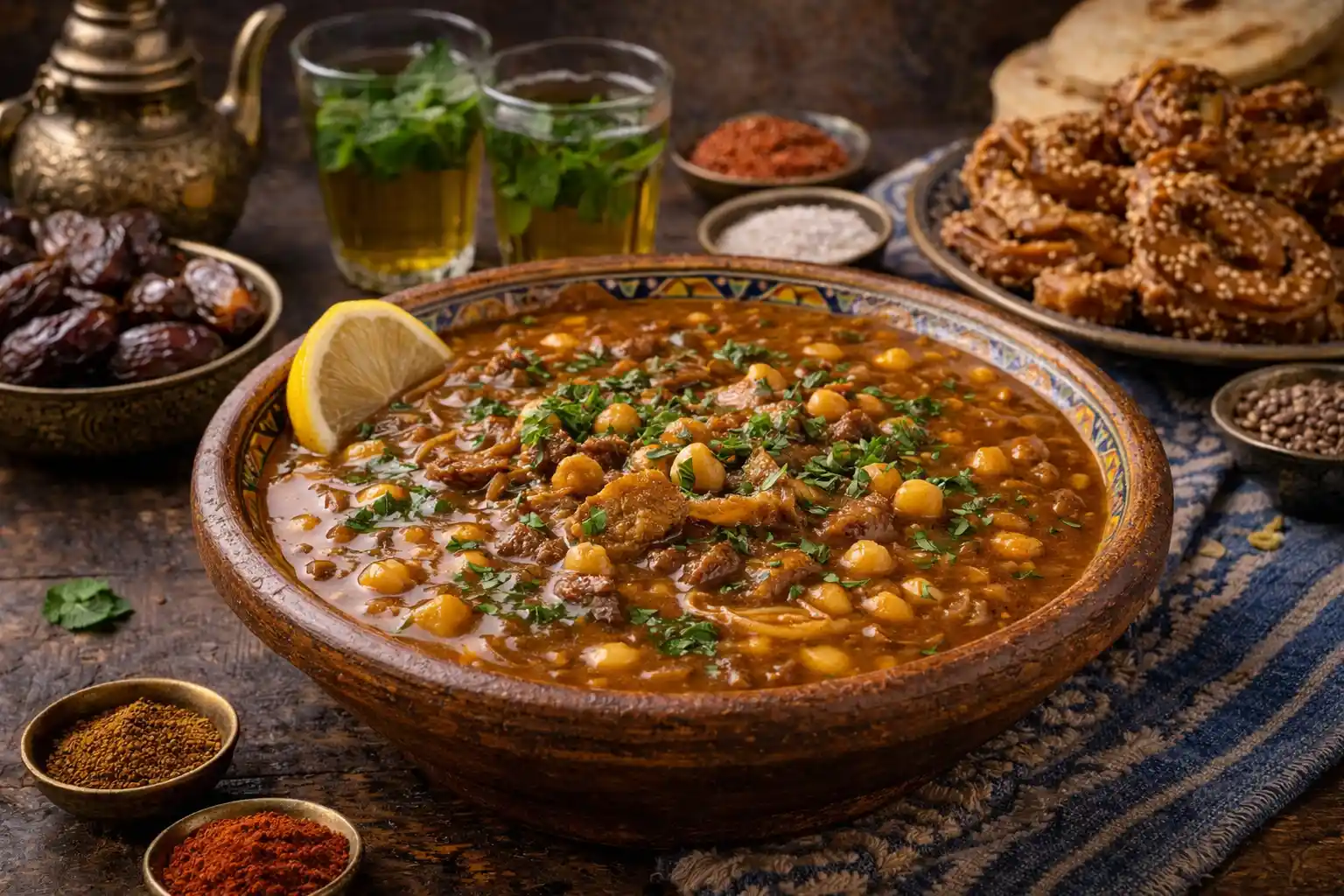
- Pair with soups like Harira
- Serve olive oil and olives
Bread transforms meals into shared experiences, reinforcing the communal nature of Moroccan dining.
Nutritional Value of Moroccan Bread
Moroccan bread offers:
- Carbohydrates for energy
- Fiber (especially in barley and whole wheat bread)
- Low fat content
- Essential minerals depending on flour type
Barley bread, in particular, is valued for its digestive benefits.
Moroccan Bread in Modern Life
Despite the availability of store-bought bread, traditional homemade bread remains popular. Many families continue to bake their own bread for its superior taste, texture, and cultural significance.
Restaurants and bakeries worldwide now serve Moroccan bread, introducing global audiences to this humble yet meaningful staple.
Tips for Authentic Moroccan Bread
- Use good-quality flour
- Knead thoroughly
- Allow proper fermentation time
- Bake at high temperature
- Let bread cool slightly before cutting
Conclusion
Moroccan traditional bread is more than nourishment—it is heritage, identity, and daily ritual. Its preparation reflects patience, respect for tradition, and the value of shared meals. Whether baked at home, in a communal oven, or enjoyed abroad, Moroccan bread remains a timeless symbol of Moroccan culinary culture.