
Introduction
Parsley is one of the most widely used and popular herbs in Arabic kitchens, to the point that it has become a staple ingredient in most everyday dishes. It is known for its fresh flavor, vibrant green color, and ability to enhance the taste of ingredients without overpowering them. Parsley adds vitality and freshness to any dish, whether in salads, soups, rice, or main courses. In this article, we explore the importance of parsley in cooking and why it has become a cornerstone of Arabic cuisine over time.
First: What Makes Parsley a Staple in Arabic Cuisine?
1) Fresh and Light Flavor
Parsley has a gentle herbal flavor that adds freshness to dishes without changing their identity or overpowering other tastes.
It is widely used because it pairs well with:
- Meat
- Chicken
- Fish
- Vegetables
- Salads
- Soups
- Baked and pan-fried dishes
This versatility makes parsley suitable for almost all types of cooking.
2) A Visual Element That Enhances Presentation
Parsley makes dishes look more lively by adding a natural green color that stimulates appetite and gives meals an attractive, artistic touch when served.
3) Used Fresh or Cooked
One of parsley’s greatest advantages is that it can be used in many forms:
- Fresh in salads and appetizers
- Cooked in soups and baked dishes
- Chopped or whole
- Fresh or dried
This makes it easy to incorporate into nearly any recipe.
Second: How Does Parsley Enhance the Flavor of Dishes?
1) Balances Strong Flavors
Parsley acts as a balancing ingredient for strong flavors such as:
- Garlic
- Lemon
- Pepper
- Spices
It softens their intensity and adds a refreshing note that creates a more harmonious taste.
2) Enhances Flavor Without Adding Fat or Calories
Unlike butter or oil, parsley adds flavor without increasing fat or calorie content, making it an excellent choice for healthy cooking.
3) Adds an Authentic Arabic Touch
In dishes such as:
- Grilled kofta
- Mujaddara
- Tabbouleh
- Falafel
- Fried fish
Parsley is an essential ingredient that cannot be replaced.
Third: Common Uses of Parsley in Arabic Cuisine
1) In Salads and Appetizers
Most notably:
- Tabbouleh
- Green salad
- Hummus salad
Parsley adds freshness and a bright appearance.
2) With Meat and Kofta
Parsley is often included in kofta mixtures, adding moisture and a mild flavor. It is one of the secrets behind successful grilled kofta.
3) In Everyday Cooking
Such as:
- Mujaddara
- Potato casseroles
- Creamy chicken dishes
- Seafood recipes
It is usually added at the final stage to highlight its flavor.
4) Garnishing Dishes
Sprinkling parsley over main dishes instantly makes them more appealing and appetizing.
5) In Soups and Stews
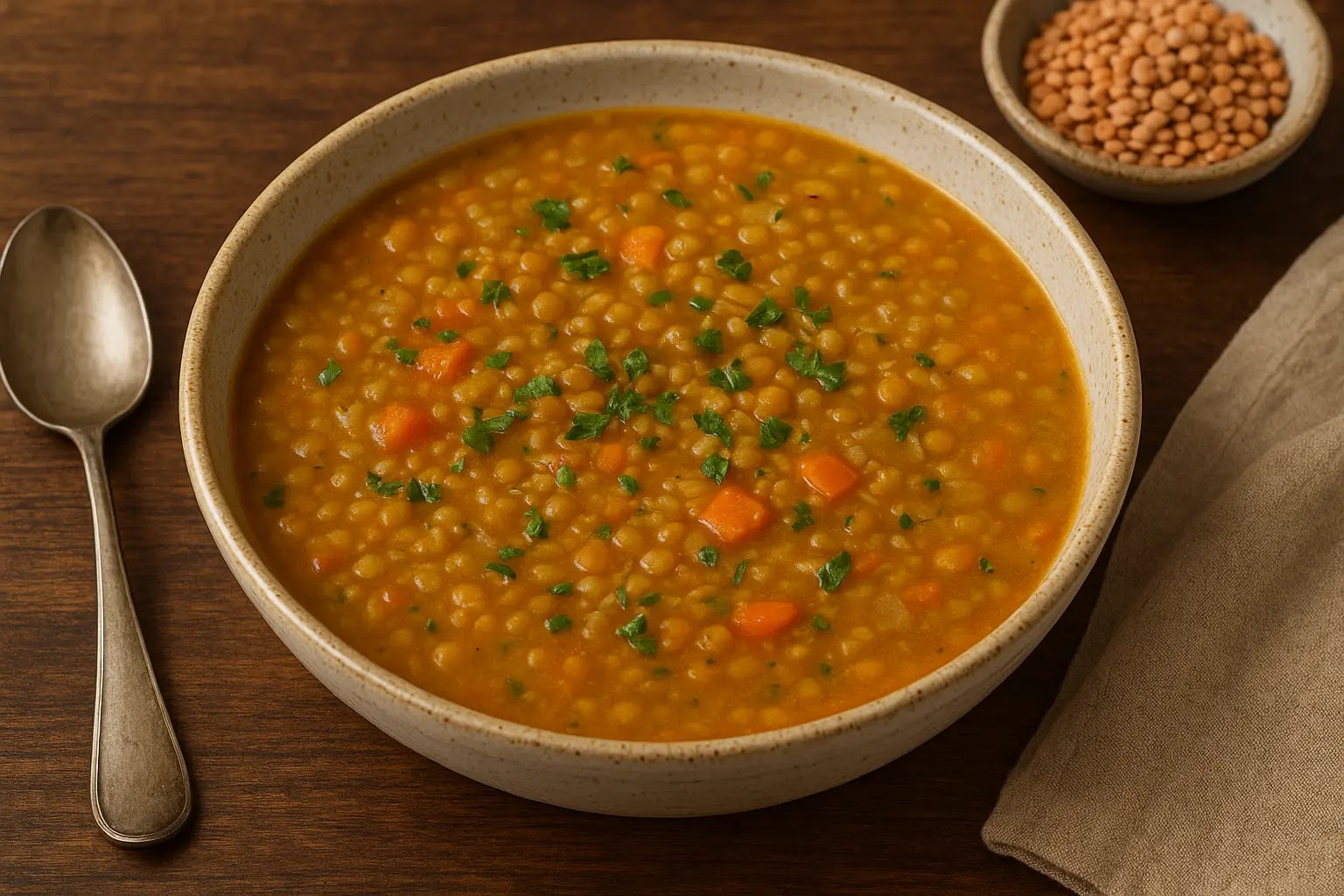
For example, lentil soup, where parsley enhances the flavor and adds a pleasant green touch.
Fourth: Health Benefits of Parsley
1) Rich in Vitamins and Minerals
Parsley contains:
- Vitamin C
- Vitamin A
- Vitamin K
- Iron
- Calcium
2) Supports Digestive Health
It helps to:
- Improve digestion
- Reduce bloating
- Support liver health
3) Rich in Antioxidants
Parsley contains powerful antioxidants that help protect the body from inflammation and strengthen immunity.
4) Low in Calories
This makes it ideal for healthy meals and for those following a balanced diet.
Fifth: Tips for Using Parsley for the Best Flavor
1) Use It Fresh Whenever Possible
Fresh parsley has a superior flavor compared to old or dried parsley.
2) Add It at the End of Cooking
Prolonged heat causes parsley to lose its flavor and color, so it is best added during the last minute of cooking.
3) Avoid Over-Chopping
Finely chopping parsley too much can reduce its aroma, while medium chopping helps preserve its scent and flavor.
4) Avoid Mixing It with Very Strong Herbs
Using parsley with large amounts of strong herbs like mint or rosemary may overpower its delicate flavor.
5) Wash and Dry It Well
Proper washing and drying help prevent bitterness and keep parsley fresh for longer.
Sixth: Why Is Parsley an Essential Ingredient in Arabic Cuisine?
- It is always available and affordable
- It is used in most Arabic recipes without exception
- It enhances flavor without changing the identity of the dish
- It improves the visual appeal of food
- It offers significant health benefits
- It reflects the authentic Arabic and Middle Eastern culinary character
Conclusion
Parsley is not just a garnish; it is a fundamental ingredient in Arabic cuisine that enhances flavor, balances taste, and gives dishes an attractive appearance, in addition to its excellent health benefits. Whether added fresh to salads, cooked in soups, or mixed with meats, parsley remains an indispensable component of Arabic cooking.