
Introduction
Blini are a recipe that depends entirely on balanced batter and cooking technique, more than the ingredients themselves. Many people succeed in flavor but fail in texture: thick, dry pancakes that tear easily.
This guide focuses on preparing a successful batter, controlling thickness, choosing the right pan, cooking timing, and sweet and savory fillings, including common mistakes and solutions, to achieve thin, flexible blini perfect for rolling.
1. Core Ingredients and Their Roles
Batter Ingredients
- All-purpose flour: Medium-strength flour works best. Strong flour = elastic but tough; weak flour = fragile.
- Milk: Provides softness. Full-fat milk makes richer blini.
- Eggs: Bind the batter and add flexibility.
- Sugar: Minimal, even in savory versions, to balance flavor.
- Salt: Essential for taste.
- Melted butter or oil: Prevents sticking and improves texture.
- Yeast or baking powder (optional): Some recipes use it, but traditional thin blini rely on a liquid batter without fermentation.
2. Correct Batter Consistency – The Most Important Point
Ideal Consistency
- Batter should be thinner than pancake batter
- Should spread quickly in the pan
- Not too watery to tear
Testing Consistency
- Dip a spoon in the batter
- Coats the back with a thin layer → correct
- Too thick → add milk
- Too thin → add a little flour
80% of blini failures come from incorrect batter consistency.
3. Preparing the Batter Step by Step
- Whisk eggs with sugar and salt.
- Gradually add milk while whisking.
- Sift flour in batches and mix to avoid lumps.
- Add melted butter or oil.
- Let batter rest 15–20 minutes.
Why Resting Matters
- Flour absorbs liquids
- Blini become softer
- Reduces tearing while cooking
4. Choosing the Right Pan and Preheating
Pan Selection
- Non-stick pan
- Flat bottom
- Medium diameter
Preheating
- Medium heat
- Wipe lightly with oil or butter
- Avoid excessive fat
5. Cooking the Blini Properly
- Pour a small amount of batter into the pan center.
- Tilt pan in a circular motion to spread batter thinly.
- Cook until small bubbles appear and edges dry slightly.
- Flip once only.
- Cook second side for a few seconds.
Success Indicators
- Light golden color
- Smooth surface
- Flexible enough to roll without cracking
6. Common Mistakes While Cooking
- High heat → burnt blini
- Low heat → dry blini
- Too much batter → thick pancake
- Frequent flipping → tearing
7. Savory Fillings
Common Options
- Cheese with sour cream
- Cooked minced meat
- Mushrooms with onions
- Cooked, shredded chicken
- Hard-boiled egg mixture
Important Tip
- Filling should be warm, not hot
- Wet filling rolls easier
8. Sweet Fillings
Options
- Honey
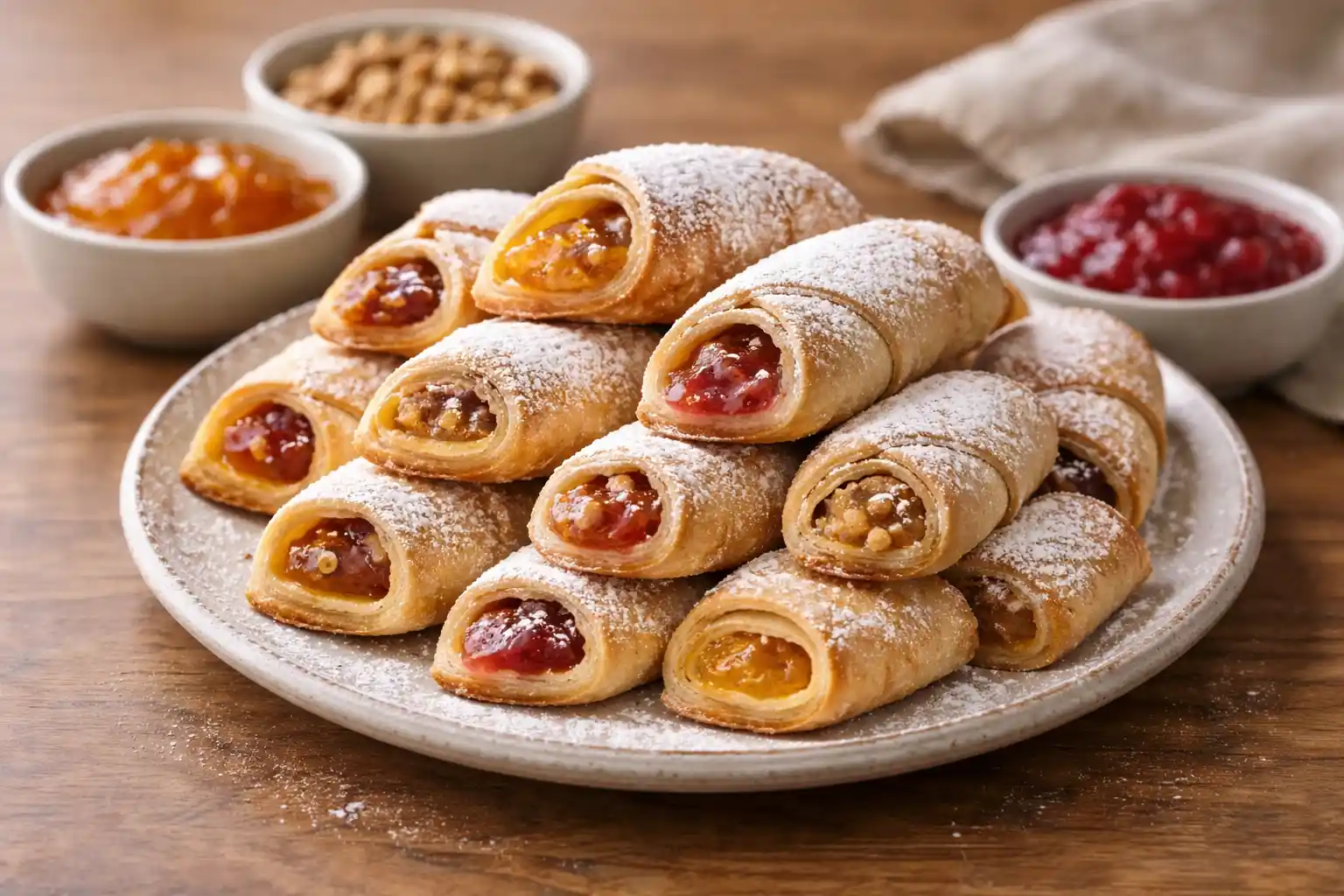
- Jam
- Chocolate
- Cooked fruit
- Butter with powdered sugar
Flavor Control
- Keep sugar in batter minimal
- Filling provides sweetness
9. Rolling and Serving
- Roll into a cylinder
- Or fold into a triangle
- Serve immediately while soft
- Can layer with parchment to prevent sticking if stacked
10. Storage and Reheating
- Refrigerate 2 days
- Reheat in dry pan or microwave
- Can freeze with parchment layers
Conclusion
Blini are simple in ingredients but precise in execution. Proper batter, moderate heat, and minimal flipping result in thin, flexible pancakes suitable for sweet or savory fillings.
A practical dish that works every time if steps are followed carefully.