Introduction
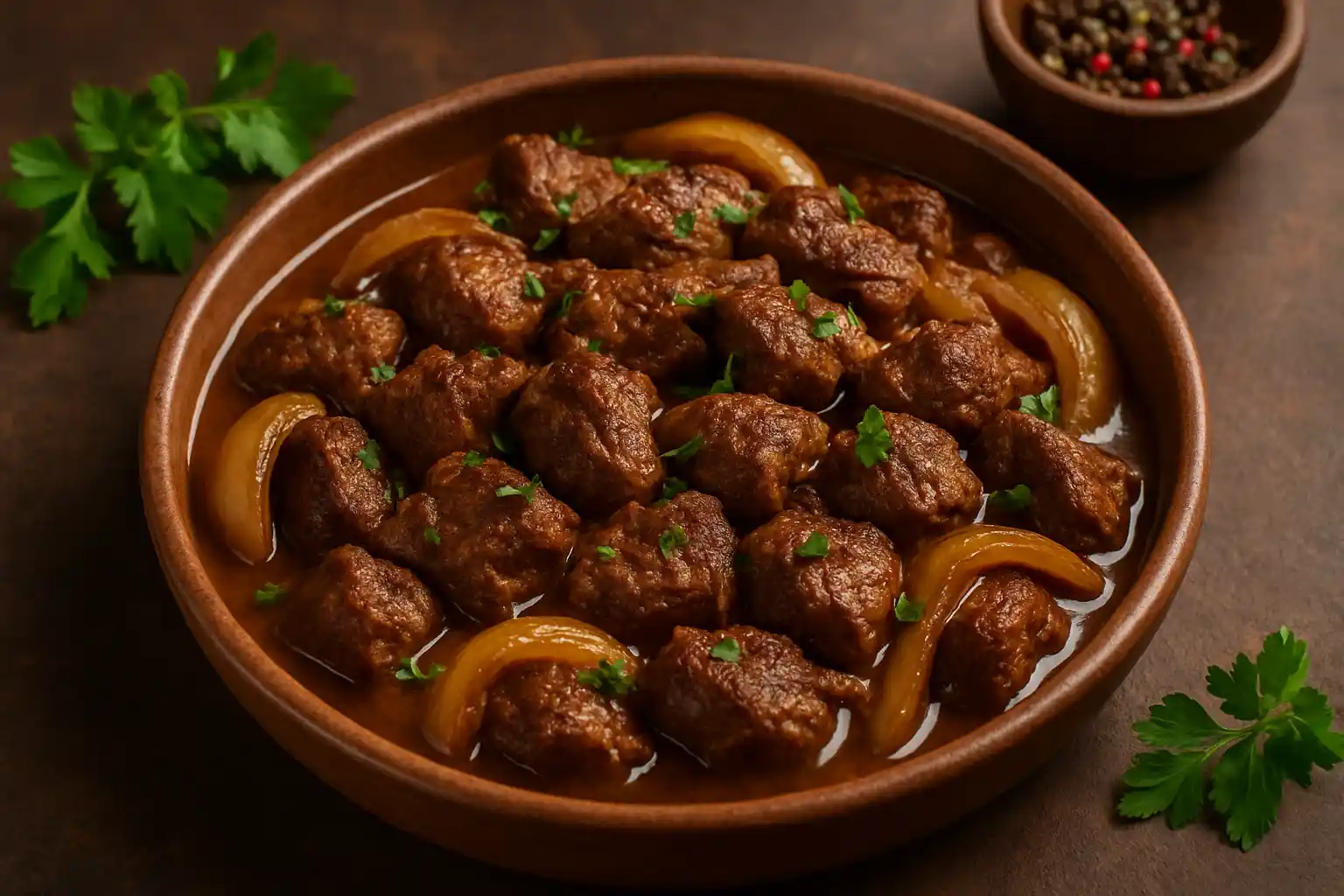
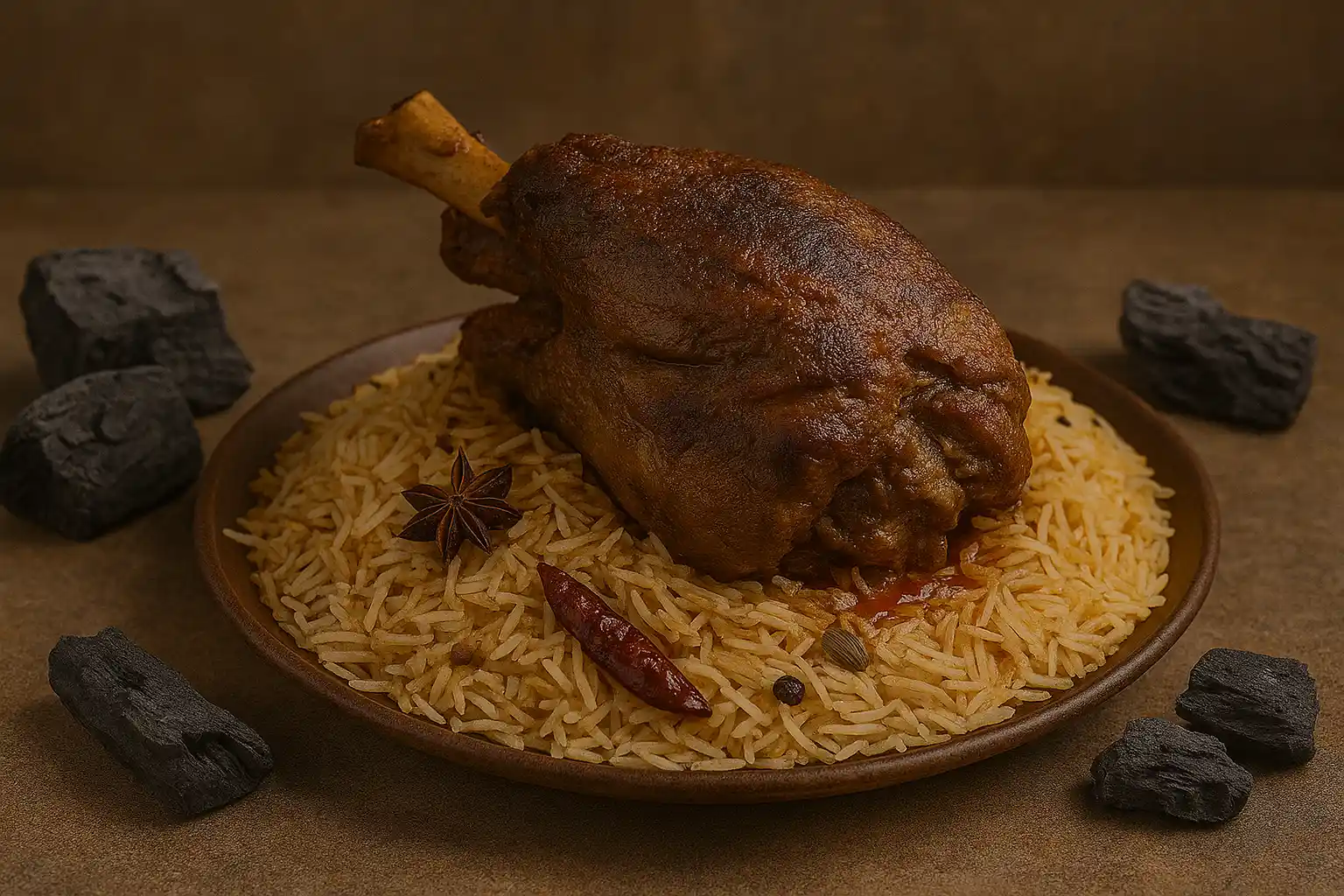
Lamb mandi is one of the most famous Gulf and Yemeni dishes that has preserved its authenticity across generations, becoming a centerpiece at large banquets and family gatherings.
What makes mandi truly special is its unique cooking method, which relies on gentle heat, steam, and a charcoal-smoking technique that adds a deep, distinctive flavor rarely found in other dishes.
Prepared with tender meat, fragrant basmati rice, and aromatic Arabian spices, lamb mandi carries a rich heritage filled with flavor, tradition, and history.
The Origin of Mandi and Why It Is So Special
- Deep Yemeni roots
Mandi originated in the mountainous regions of Yemen, where it was traditionally cooked in underground clay ovens that trapped heat and infused the meat with a naturally smoky aroma. - Steam-based cooking method
The meat is cooked above the rice without direct contact, allowing its natural juices to drip slowly into the rice, enriching it with deep flavor. - Natural charcoal smoking
After cooking, hot charcoal is placed inside the pot to infuse the dish with a signature smoky aroma that sets mandi apart from other rice dishes.
Essential Ingredients for Lamb Mandi
Meat ingredients:
- 1.5 kg lamb or beef
- 1 large onion, quartered
- 4 garlic cloves
- 2 green chili peppers
- 2 bay leaves
- 4 cardamom pods
- 1 cinnamon stick
- Salt and black pepper
- 1 tablespoon mandi spice mix
- Water for boiling
Rice ingredients:
- 4 cups basmati rice
- 1 onion, finely chopped
- 2 tablespoons oil
- 1 teaspoon turmeric
- ½ teaspoon cinnamon
- 1 tablespoon mandi spices
- 4 cups meat stock
- Soaked saffron
Step-by-Step Professional Preparation
- Boiling the meat with rich flavor
Place the meat in a pot with onion, garlic, green chilies, bay leaves, cardamom, cinnamon, and salt.
Cover with water, bring to a boil, then simmer for about 1 hour until the meat is half cooked. - Sautéing onions for the rice
Heat oil in a wide pot and sauté the chopped onion until golden.
Add turmeric, cinnamon, and mandi spices, stirring briefly to release their aroma. - Adding rice and stock
Add the washed basmati rice to the pot and stir gently with the spices.
Pour in the hot meat stock and let it boil for 2 minutes, then lower the heat, cover, and cook until the rice is done. - Arranging the meat over the rice
Once the rice is cooked, arrange the meat pieces on top without pressing them down.
This allows the flavors to blend as steam rises from the rice. - Charcoal smoking step
This is the signature step:
Place a piece of hot charcoal in a small foil cup or heat-safe bowl, drizzle it with a little oil or ghee, and quickly cover the pot tightly.
The trapped smoke infuses the rice and meat with an authentic grilled aroma.
Serving Method
- Transfer the rice to a large serving platter.
- Arrange the meat attractively on top.
- Garnish with toasted almonds or pine nuts and a touch of saffron.
- Serve with Yemeni daqqous sauce and fresh tomato salad.
Nutritional Value of Lamb Mandi
- High in protein
Lamb provides high-quality protein that supports muscle health and overall strength. - Low-starch basmati rice
Easy to digest and provides steady energy. - Immune-boosting spices
Cardamom, cinnamon, and saffron contain natural anti-inflammatory compounds. - Healthy cooking method
Steam-based cooking keeps the meat tender without excessive fats.
Conclusion
Lamb mandi is more than just a main dish—it is a symbol of Yemeni and Gulf culinary heritage that tells the story of Arab cuisine through generations.
With its precise steps and distinctive cooking method, mandi remains an ideal choice for large occasions and family gatherings, combining rich flavor, nutritional value, and authentic tradition in every bite.